Serving Yuma, AZ and surrounding areas. (928) 291-0350
Serving Yuma, AZ and surrounding areas. (928) 291-0350
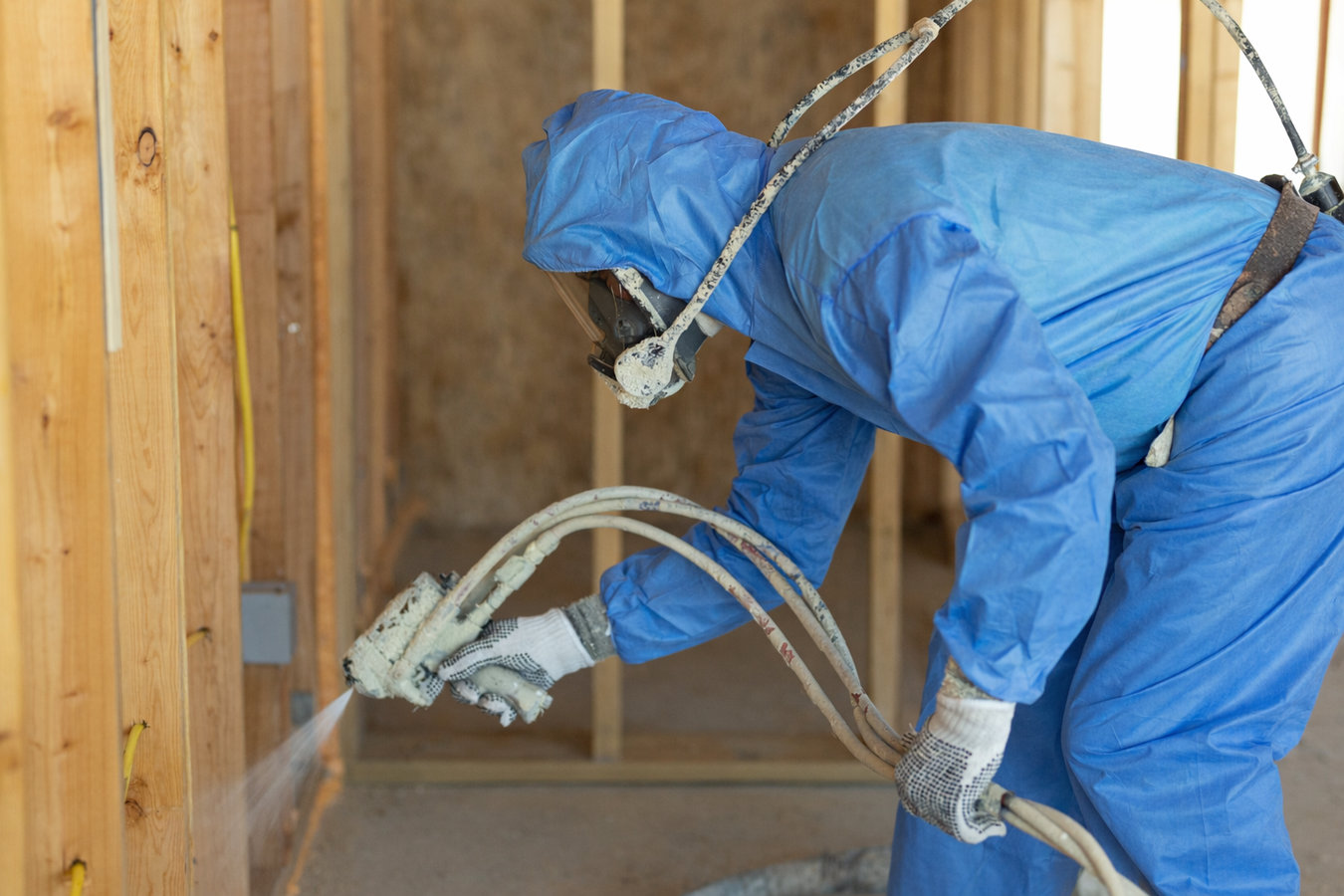
Yuma Insulation Company serves Chandler, AZ homeowners with spray foam insulation, attic insulation, blown-in upgrades, and air sealing. We work throughout Chandler, including Ocotillo, Fulton Ranch, neighborhoods near Downtown Chandler, and communities along the Price Road corridor. Our crew knows the 1985-to-2010 housing stock that dominates Chandler and understands the insulation and air sealing gaps common to that era. Free estimates, replies within 1 business day.
Chandler homes with flat roof sections over garages, covered patio enclosures, or bonus room additions need a different insulation approach than the main vented attic. Closed-cell spray foam applied at the roof deck in those areas provides both a high R-value and a moisture barrier in a single application, and it handles the thermal cycling from temperatures that push past 110 degrees far better than batt products in tight cavities. Our spray foam insulation service is also the right choice for Chandler homeowners converting a garage to conditioned space or adding insulation to a room with no existing coverage.
Most Chandler homes built between 1985 and 2005 have attic insulation that met the minimum code requirements of that era but falls short of what current Climate Zone 2B standards recommend. Chandler attics in summer are among the hottest enclosed spaces in the Phoenix metro, regularly reaching 150 degrees across the flat, wide roof surfaces of single-story ranch homes. Bringing the attic insulation level to R-38 or R-49, combined with dedicated air sealing at ceiling penetrations, is the highest-impact upgrade available to most Chandler homeowners.
Chandler homes from the late 1980s and 1990s were built before air sealing at the ceiling plane was a standard practice, and many have large cumulative openings at top plates, recessed light canisters, and HVAC boot connections. Those gaps allow superheated attic air to enter the living space continuously. Addressing them before adding insulation is the step that makes the difference between an upgrade that performs as promised and one that delivers only a fraction of the expected cooling savings.
Blown-in insulation is the standard approach for topping off existing attic coverage in Chandler homes where the original batts or loose-fill have settled and no longer provide their rated R-value. Loose-fill material fills over joists, reaches around HVAC equipment and ductwork, and covers the irregular framing layouts typical in Chandler homes from the 1990s. It can be paired with air sealing in a single visit and is effective across the full range of attic types found in Chandler's housing stock.
Chandler's larger homes, particularly those in south Chandler communities like Ocotillo and Sun Groves with higher square footage and more ceiling penetrations, benefit especially from dedicated attic air sealing. More recessed lights, more HVAC boots, and more ceiling fan rough-ins each add to the total leakage area. Sealing all of them before the insulation upgrade captures the full benefit of the added R-value and keeps conditioned air where it belongs during the hottest months of the year.
Older homes in the neighborhoods around Downtown Chandler and near the historic San Marcos Hotel area were built decades before modern energy codes required wall insulation, and many have exterior walls that are uninsulated or nearly so. Retrofit dense-pack insulation installed through small holes in the drywall or stucco surface fills those cavities without requiring a full gut renovation, and it makes a measurable difference in how much heat comes through the walls during Chandler's long summer months.
Chandler is one of the largest cities in Arizona, with about 280,000 residents, and most of its housing stock was built during two distinct growth periods: the late 1980s through the 1990s, and the early 2000s. According to U.S. Census Bureau data, that puts a large share of Chandler homes in the 20-to-40-year-old range. Homes in this age band are past their first full maintenance cycle, and the original attic insulation, roof underlayment, and exterior caulk are all at or beyond their expected service life. Builder-grade insulation installed in the early 1990s typically used R-19 or R-25 in the attic, which is well below the R-38 or R-49 now recommended for Chandler's Climate Zone 2B conditions.
Summer heat in Chandler regularly pushes past 110 degrees Fahrenheit, and the city averages more than 300 sunny days per year. Attics in single-story stucco homes here absorb intense heat across large, flat surfaces with no shade relief, and attic temperatures of 150 degrees are common during the peak of June through August. At those temperatures, any gap in the ceiling plane, whether from an unsealed recessed light, an open top plate, or a disconnected HVAC boot, allows hot air to move directly into the conditioned space and forces the AC to run longer than needed.
The caliche soil common under Chandler lots, a hard calcium carbonate layer described by University of Arizona Extension research, does not drain water well. During monsoon storms, water pools against foundations and around crawl spaces rather than soaking into the ground, which is a moisture management issue that affects insulation performance in homes with crawl spaces or slab-on-grade with inadequate vapor barriers.
We pull permits through the City of Chandler Development Services department for jobs that require them, and we are familiar with the single-story stucco and concrete tile roof homes that make up the bread-and-butter work in this city. Chandler's 65 square miles cover a wide range of neighborhoods, from the older streets near Downtown Chandler and the historic San Marcos Hotel area to the newer master-planned communities like Fulton Ranch and Ocotillo in the south part of the city, where homes are larger and the insulation needs reflect more recent but still imperfect construction practices.
The areas near the Intel Ocotillo campus and the Chandler Fashion Center represent a dense concentration of homes from the late 1990s and early 2000s with consistent insulation characteristics: builder-grade R-19 attics, no air sealing at the ceiling plane, and stucco exteriors that have been through enough thermal cycles to show cracking at penetration points. These are exactly the conditions where a proper attic insulation and air sealing upgrade delivers the most return on investment.
Our service area extends across the East Valley. Homeowners in Casa Grande to the south are in our coverage area, and we also work regularly in Goodyear on the West Valley side of the Phoenix metro, where comparable housing stock faces the same desert climate insulation challenges.
Contact us by phone or through the estimate form and we will reply within 1 business day to schedule a free on-site assessment. We work around your schedule and can usually visit within a few days of first contact.
A technician inspects your attic, measures current insulation depth, and checks for air sealing deficiencies at penetrations and top plates. You receive a written, itemized estimate before any work begins so there are no cost surprises.
Most Chandler attic insulation and air sealing jobs are completed in one day. We protect interior access points and clean up before leaving. You do not need to be present the entire time, though we will reach you if any questions come up during the work.
We walk you through what was done, confirm the final insulation depth, and answer any questions before leaving. If anything needs follow-up attention, we come back and take care of it.
We serve homeowners throughout Chandler, from Ocotillo and Fulton Ranch to the older neighborhoods near Downtown Chandler. No pressure, free estimates, and we reply within 1 business day.
(928) 291-0350Chandler is the fourth-largest city in Arizona, covering about 65 square miles in the southeast part of the Phoenix metro area. It grew from a small farming town into a full-sized city over the past 40 years, with most of its housing built in two waves during the late 1980s through the 1990s and again in the early 2000s. The result is a city where most homes are now 20 to 35 years old and in their first serious maintenance cycle. Single-family homes dominate the housing stock, many of them in HOA-managed communities like Fulton Ranch, Sun Groves, and Ocotillo, where the lake communities in the south part of the city feature some of Chandler's larger and more expensive homes. More background on the city is available on Chandler, Arizona's Wikipedia page.
Downtown Chandler anchors the city's original core with the historic San Marcos Hotel, restaurants, and the Chandler Center for the Arts. The Intel Ocotillo campus in the south part of the city is one of the largest employers in the entire Phoenix metro area and is visible from several major roads. The Chandler Fashion Center near Loop 202 serves as a regional destination for residents across Chandler, Gilbert, and surrounding communities. These landmarks define different parts of a city where the age of the housing stock and the insulation needs vary significantly depending on the neighborhood.
Chandler is bordered by several cities in our service area. Homeowners in Casa Grande to the south face similar desert heat and housing stock, and we serve that community as well. To the north and west, Avondale is another Phoenix metro city where we provide attic insulation and air sealing services to homeowners dealing with the same summer heat challenges.
Spray foam creates an airtight seal that stops heat transfer and air infiltration in one step.
Learn moreProper attic insulation keeps conditioned air inside and dramatically reduces cooling costs.
Learn moreBlown-in insulation fills gaps and irregular spaces that batts cannot reach.
Learn moreWhole-home insulation assessments and installs tailored to your house's specific needs.
Learn moreSafe removal of old, damaged, or contaminated insulation before a fresh installation.
Learn moreInsulating your crawl space reduces floor cold spots and protects pipes from temperature extremes.
Learn moreWall insulation improves comfort and energy efficiency in both new builds and existing homes.
Learn moreAir sealing closes gaps and cracks that let conditioned air escape and outside air enter.
Learn moreBasement insulation controls moisture, improves comfort, and lowers energy bills year-round.
Learn moreClosed-cell foam offers the highest R-value per inch and doubles as a vapor barrier.
Learn moreOpen-cell foam is a flexible, cost-effective option ideal for interior walls and attics.
Learn moreSealing attic bypasses prevents conditioned air from escaping into unconditioned space above.
Learn moreA vapor barrier beneath your home keeps ground moisture from entering the living area.
Learn moreProfessional vapor barrier installation protects your home's structure from moisture damage.
Learn moreRetrofit insulation upgrades existing homes without major demolition or reconstruction.
Learn moreCommercial insulation solutions for offices, warehouses, and light industrial facilities.
Learn moreServing these cities and communities.
Chandler summers are long, hot, and hard on homes. If your attic insulation is from the original build, there is a good chance it is underperforming. Call today or submit the form and we will get back to you within 1 business day.